
Serving the Street: Volunteering as Charity, Racial Justice, and Poverty Tourism
Matthew Jerome Schneider
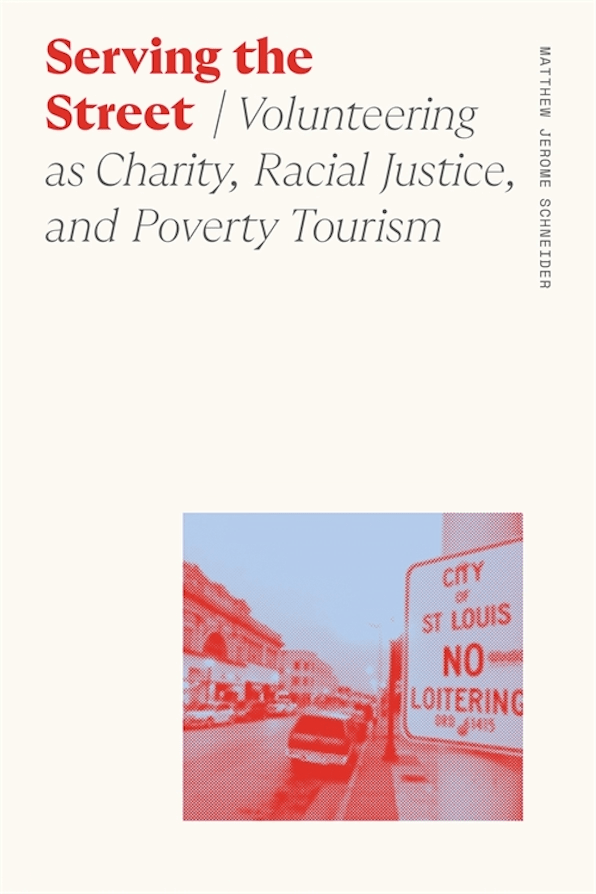
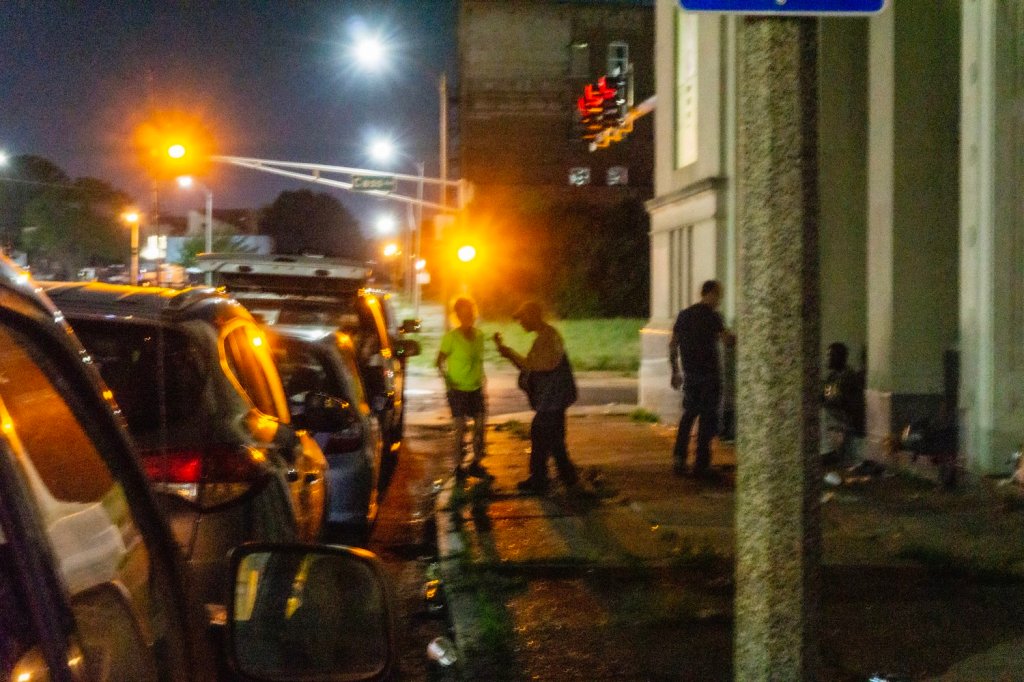
Volunteering is typically thought of as an act of altruism, yet there are power dynamics embedded in volunteer-service recipient relationships, especially when volunteers operate from privileged positions. Following six grassroots homeless service organizations in St. Louis, Missouri, Matthew Schneider unpacks the tensions between race, class, urban space, and volunteerism. Volunteers are well intentioned and provide vital, life-saving services. However, Serving the Street explores how many of these same volunteer groups helped to reproduce racialized stigma and stereotypes about poverty, homelessness, and marginal urban space through volunteer practices that bordered on “poverty tourism.” If our goal is to make communities more inclusive and equitable, this book suggests a need for greater self-reflection, even among well-intentioned, social-justice-oriented volunteers.
Available at https://www.ugapress.org/9780820375373/serving-the-street/.
Beyond Alternative Energy Markets Without Morals: Examining the North Carolina Clean Energy Plan in Robeson County, NC, USA
Sebastian Boute and Matthew Jerome Schneider
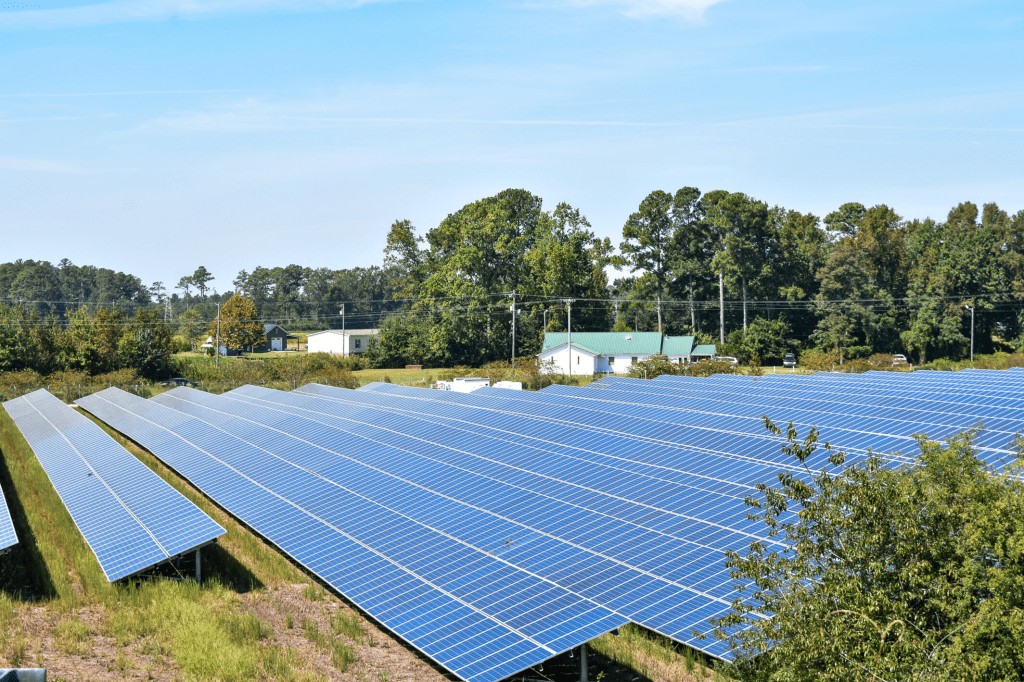
This commentary critically examines the North Carolina Clean Energy Plan (CEP) through the lens of energy justice, focusing on Robeson County, North Carolina, USA—a region paradoxically leading in solar energy development while remaining one of the state’s most economically marginalised areas. Drawing on J. Mijin Cha’s Four Pillar Framework for a Just Transition and Karl Polanyi’s critique of market liberalism, this commentary argues that renewable energy initiatives in Robeson County replicate historical patterns of dispossession and environmental inequity. Despite rhetoric around equity and sustainability in state climate policy, solar infrastructure currently stands to benefit external actors, disrupt local land use and exacerbate economic and environmental vulnerabilities, particularly among Indigenous and low-income communities. This commentary contends that a truly just transition requires more than green technologies; it demands systemic change rooted in strong governance, local sovereignty, participatory planning and reparative justice. Robeson County exemplifies both the risks of market-driven energy transitions and the possibilities of place-based, equity-centred alternatives.
Read more at Geo: Geography and Environment https://doi.org/10.1002/geo2.70035.
Social Science for a Just Transition
Matthew Jerome Schneider and Brian F. O’Neill
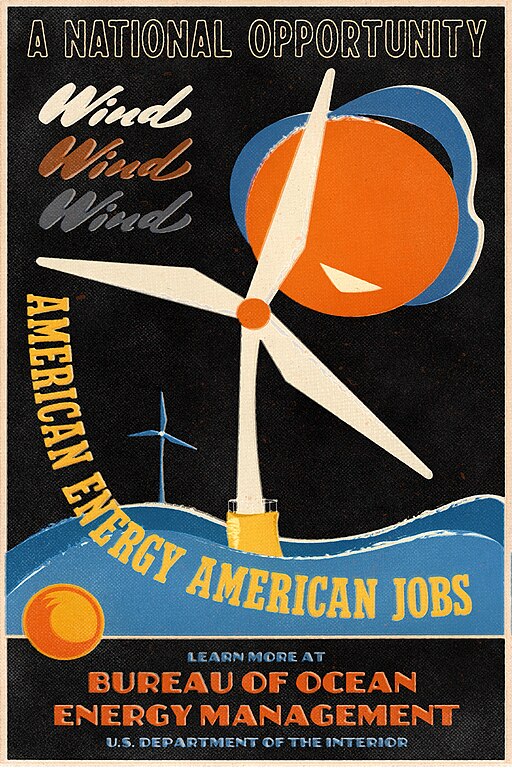
With the worsening of the climate crisis, there has been significant and intense interest in the development and implementation of renewable energies, such as wind and solar power. Against this backdrop, this commentary considers the implications of a renewable energy transition and asks what social scientists bring to the collective effort to achieve a just transition in the American context. Ultimately, we argue that social scientists can bring a critical perspective that agitates for transformation from the grassroots – and perhaps not by working directly with industry or government representatives on top-down policy. Social scientists, in our view, should advocate for interventions that begin with transformative intentions while simultaneously recognizing the need for immediate, incremental, and context specific implementation. If there is something social scientists can offer, it is a critical imagination, or ways of thinking that seem unrealistic, because what is sure is that the recent history of being realistic continues to deliver a punishing, inequitable, and unjust world-ecology and societies.
Read more in Sustainability and Climate Change https://www.liebertpub.com/doi/10.1177/26922932251369516.
“I Have to Change Sometimes Little Pieces of Me so That I Don’t Come Off a Certain Way”: Managing Black and Brown Identities at the White University
Abigail Reiter, Miranda Reiter, Matthew Jerome Schneider, Timothy Dacey
Black and Brown students report feeling isolated and out of place in U.S. universities, especially in predominately white institutions (PWIs), and there are a host of reasons for this. Because they are the numerical minority, Black and Brown students are highly visible others whose presence and behaviors stand out. As numerical minorities, Black and Brown students at PWIs often feel that they are made to be representatives of their race and that their behaviors may be taken as evidence to support racialized stereotypes that threaten their academic and social success. This study uses the counter-narratives of 31 self-identified Black and Brown students, collected during nine focus group meetings in 2014, at a white university in the Southeast United States. Findings are interpreted through the lens of Impression Management Theory, which posits that individuals make goal-directed attempts to influence how others perceive them. Participants describe feeling forced to devise strategies to present themselves in ways that negate or avoid fulfilling racialized and intersectional stereotypes, as well as make whites more comfortable. They learn to use impression management techniques that must shift with the setting and audience. In particular, participant strategies of impression management sought to avoid cultural assumptions of academic inferiority, criminality, and hostility and aggressiveness. Taken together, the experiences of students who participated in this study reveal how microaggressions help (re)construct academic spaces as white spaces and academic belonging as an intrinsically white characteristic. Specifically, we argue that microaggressions serve as a mechanism that not only serves to protect the whiteness of PWIs and white public space, but also to help define the appropriateness of expression of racial identity within these spaces. We conclude with a discussion that explores the emotional and cognitive effects of participating in impression management, as well as the overall academic and social implications for the extra, often invisible, burdens of being Black or Brown in a white institution.
Read more in Sociological Inquiry https://doi.org/10.1111/soin.70024.
“What’s right for the environment is right in every other way”: environmental volunteering as a gateway to environmental justice frameworks
Matthew Jerome Schneider, Tessa Newson, and Cara Schildtknecht

What motivates people to become involved in environmental volunteering and activism? How do environmental volunteers and activists understand the environmental issues to which they are responding? This study considers the case of volunteer water monitors working with a riverkeeper organization in Southeast North Carolina and Northeast South Carolina. This case study, which includes interviews with 10 volunteer water monitors, supports existing findings that volunteers resisted activist self-identities, even as they conducted work that guards against forms of environmental degradation disproportionately harming rural, low-income, minority communities at risk. In this study, it was common for volunteers to frame their work in conservationist or preservationist terms. Generally, volunteers became involved with their local waterkeeper organization not because of a strong attachment to environmental justice (EJ) values, but because it was a form of civic life available to them. However, this study also suggests that sustained participation in environmental volunteering may represent an opportunity to introduce a receptive audience to environmental justice causes, values, and frameworks.
Read more in Sociological Spectrum https://doi.org/10.1080/02732173.2025.2519342.
‘Thank you in advance for not changing my retirement home’s intrinsic beauty’: NIMBYism, environmental privilege and the politics of offshore wind energy
Matthew Jerome Schneider and Brian F. O’Neill
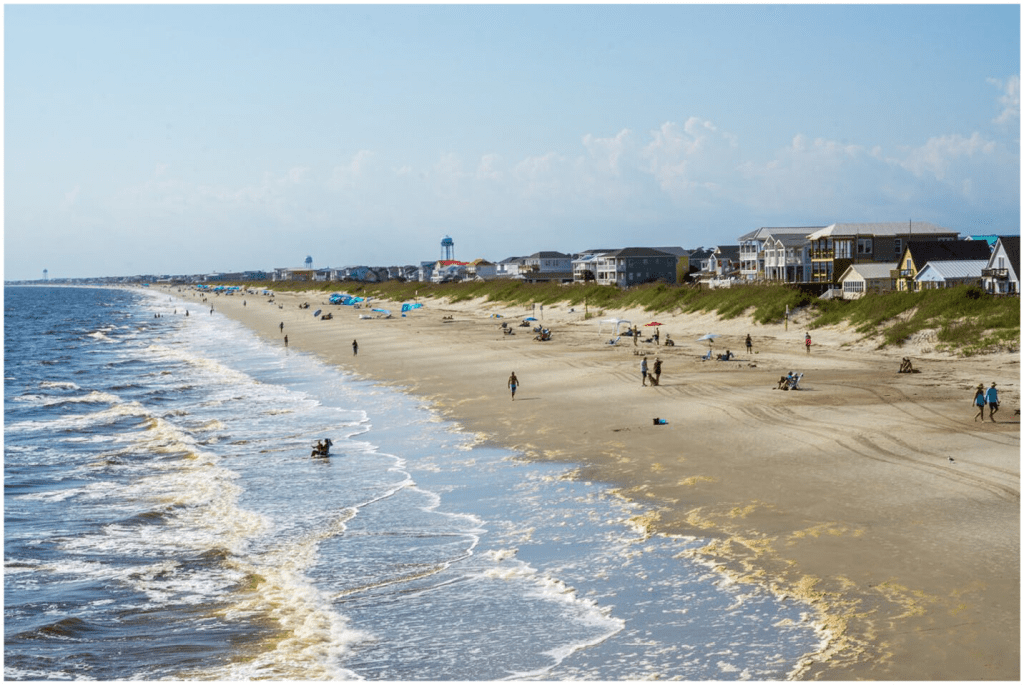
The development of new wind energy infrastructure is widely supported in the United States. Yet, the siting of wind farms is often contentious. This research problematises how local stakeholders frame their opposition to offshore wind projects at a time when the swift adoption of renewable energies is generally seen as a necessity for environmental, social and economic reasons. Through qualitative content analysis of eighty-nine public comments pertaining to offshore wind projects planned off the North Carolina coast, we argue that objections to wind projects reflect an understanding of the infrastructure’s environmental burden and, importantly, a desire to protect environmental privilege. Findings suggest a need for expanded research on the dimensions of privilege that may be at play across wind farm sites and that any consideration of a just transition must consider how expressions of privilege inform environmental political discourse.
Read more in Coastal Studies & Society https://doi.org/10.1177/26349817251315582.
An Ocean Declaration for equitable governance to guide observation
Yoshitaka Ota, Gerald G. Singh, Andrés M. Cisneros-Montemayor, Eliana Ritts, Matthew J. Schneider, Ana Spalding, Mia Strand, Wilf Swartz, and Alexis Valauri-Orton
The Dubai Ocean Declaration is the latest international call to expand ocean observation worldwide. We argue that there needs to be a committed effort to establish governance systems to guide data collection designed around equity, to ensure ocean data collection contributes to sustainable development. Ocean science has historically been led by the Global North, neglecting the priorities and leadership of the Global South, and limiting the relevance of ocean science for global sustainability.
Read more in npj Ocean Sustainability https://doi.org/10.1038/s44183-024-00093-3.
Toward a Critical Environmental Justice Approach to Ocean Equity
By Brian F. O’Neill, Matthew Jerome Schneider, and Alejandro Garcia Lozano
Recent oceans sustainability, coastal community development, and ocean governance policy discourse among academics and practitioners increasingly invokes “equity” and “ocean equity.” But, to what end? While this new focus may be a positive development for these fields, this article argues that the conceptualization of equitable approaches to oceanic production and consumption remains rooted in market-liberal environmentalist as well as unproblematized global developmentalist logics, revealing tensions about whom equity notions may serve in practice. Via theoretical and conceptual development drawn from the emerging literature on this topic, the article draws attention to how critical environmental justice scholarship provides a necessary intervention for ocean equity. If the goal is to achieve equitable ocean outcomes, it is necessary to reckon with and undermine logics that continue to structure social inequality, dominate labor, and create the present ocean governance situation as ruled by global development and bourgeois environmentalist organizations. Furthermore, scholars, activists, practitioners, and anyone else working toward equity in, on, and around oceans should fight against any banalization of the term ocean equity, so that it can maintain its underlying socially progressive, and hopefully emancipatory, potential.
Read more in Environmental Justice: https://doi.org/10.1089/env.2023.0067.
Teaching Racial Reckoning: The CRT Panic as a Challenge and an Answer
By Matthew Jerome Schneider

Regular media coverage and social media discussion about Black Lives Matter, prison abolition, racialized police violence, and voter disenfranchisement mean that students arrive to our classes already primed to discuss and reckon with questions of racial justice and racial oppression and privilege. At the same time, we have also observed a groundswell of white Americans mobilizing in defense of white supremacy. Although this reckoning has been long in the making, recent successes of a violent and increasingly mainstream political movement have created new challenges for instructors teaching about racism. In this teaching note, I reflect on an experience with students who completed a “knowledge assessment survey” and how this was leveraged into a productive conversation about Critical Race Theory (CRT). More broadly, I suggest that discussion of politicized topics poses some challenges, but also presents opportunities for demonstrating the importance of critical race perspectives and prompts students to reflect on how their understandings of race are derived from their social worlds.
Read more in Radical Teacher: https://www.jstor.org/stable/48756585.
“I don’t know what’s racist”: White invisibility among explicitly color-conscious volunteers
By Matthew Jerome Schneider
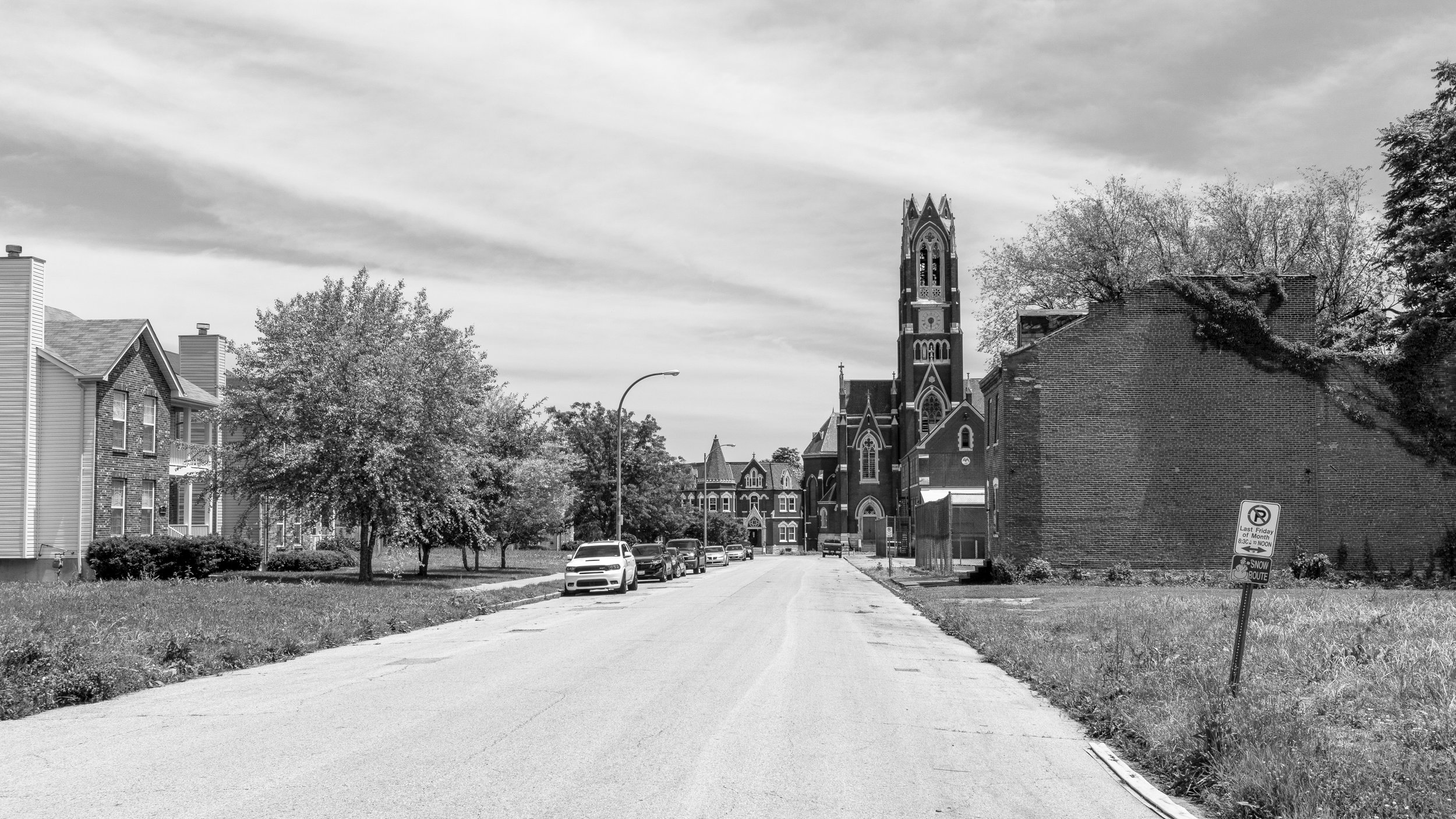
Americans are increasingly aware of structural racial disadvantages, and especially aware of Black disadvantage. In turn, this paper asks to what degree do whites interested in undermining systems of oppression and privilege understand their own place within those systems (if at all)? Based on participant observation of four grassroots organizations serving the unhoused and 30 semi-structured interviews with volunteers, I show that even explicitly color-conscious white volunteers, many of whom spoke about structural inequality and systemic racism without prompting, struggled to see how their race was important in their day-to-day service interactions. A general inability to speak about interracial interactions despite many interracial service experiences highlights the pervasive power and privilege embedded in the taken-for-granted nature of whiteness and provides empirical support to the idea that racialized social systems discourage racial self-awareness among whites. These findings have implications for social justice- and/or service-oriented whites who seek to undermine the systems they identify as problematic and emphasize that antiracism is a continuous process.
Read more in Qualitative Sociology: https://link.springer.com/article/10.1007/s11133-022-09511-9
Bottom-Up Violence Work: Exploring the case of armed racial justice counter-protest
By Musa Jalal and Matthew Jerome Schneider
This chapter makes sense of armed counter-protest by viewing it as a form of bottom-up, white supremacist “violence work.” Because many of these counter-protestors arm themselves and/or belong to private militias, this movement encroaches on the liberal state’s allocation of “violence work” – a form of labor characterized by its ability to forcefully or violently “maintain order” – to a specialized force of government agents (e.g., police and, military). This “on the ground” activity is spurred by an interpretation of the historic function of the state, makes a demand that the state continue to serve that function, and works outside the supposed boundaries set by the state to ensure the function is met. By arming themselves, training in techniques that closely resemble those employed by state violence workers, and making themselves especially visible during times of racial justice protest, these groups work to maintain American systems of white supremacy.
Read more in The Reproduction and Maintenance of Inequalities in Interpersonal Relationships: https://www.igi-global.com/gateway/chapter/312311
Demystifying the Global ‘Just Transition’—On Power Struggles and Electric Mountains
By Brian F. O’Neill and Matthew Jerome Schneider
What is the nature of the and intense global interest in green/sustainable technologies and infrastructure on the part of the private sector? This is a central question for society in the so-called Anthropocene.2 It is also an increasingly urgent one if society is to take climate change seriously by finding ways to adapt to the multifarious dimensions of the consequences. And, as the work we detail in this review discusses, renewable energies also raise questions about society itself in contemporary life, that is, as corporations seek to profit from green solutions, urban/rural divisions seem to widen along dimensions of race, class, and status, not to mention ecological consequences (Dunlap, 2021). As such, these issues need to be central to the ongoing work on the political ecology of wind…
While promoted with great confidence by industry officials, political candidates, and policy makers, technological fixes tend to operate more like band-aids, smoothing over surface problems rather than attending to underlying political-economic issues (Harvey, 2003; O’Neill and Boyer, 2020). Perhaps there is no greater example of this than the recent surge of interest in wind energy. United States (US) President, Joe Biden, for example, touted on 14 September 2021 that “investment and innovation” will propel America into an energy transition. Although many would interpret this as a step in the right direction (perhaps rightfully so), many scholars and activists point to the importance of viewing such statements as falling within a larger socio-historical context. Despite his attempt at a “Green New Deal,” we must recognize the many “business as usual” elements of these proposals that illustrate Biden’s centrist political tendencies (cf. O’Neill and Schneider, 2021a, 2021b).
So, a more precise question arises: what is the nature of the recent, intense global interest in the wind industry? Is wind energy the technological fix for which we have been eagerly awaiting? Or, is it more “blah, blah, blah,” recalling Greta Thunberg’s 28 September 2021 remarks at the United Nations Climate Change Conference (COP 26)?
Read more in Human Geography: https://doi.org/10.1177%2F19427786221098700.
Who Volunteers? The Need for More Inclusive Civic Institutions
By Matthew Jerome Schneider
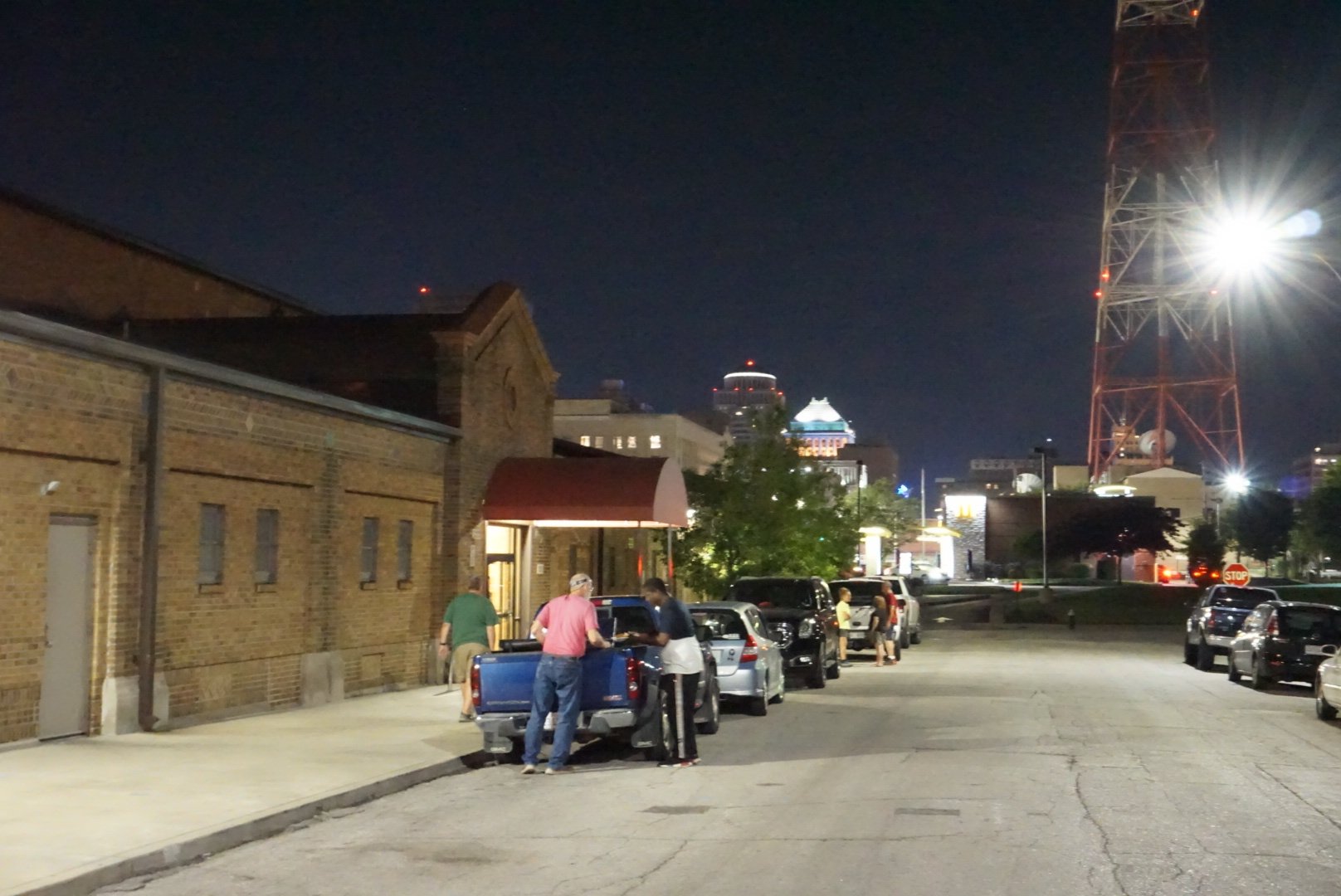
In recent years, scholars, activists, and journalists have become more attentive to anti-democratic practices, values, and legislation. Much attention, for example, has been given to well-documented cases of voter suppression and gerrymandered voting districts (e.g., Corasaniti 2021; Durst et al. 2021; Parrish 2020; Summers 2021), an issue further mainstreamed by documentaries like All In: The Fight for Democracy. Indeed, from its inception, civic life in the United States was not organized for equal participation. And of course, we see time and again that the social world has been arranged in a way that disproportionately benefits the upper class, whites, and men (Brooks 2000; Collins 2000; Doane 1997; Feagin 2013; Hannah-Jones 2021; Omi and Winant 1994; Wellman 1993).
In this essay, I reflect on a less commonly discussed form of civic engagement: volunteering. I borrow from notable scholars like Robert Putnam (2000), Theda Skocpol (Skocpol 1997, 1999), and Alexis De Tocqueville (2006) to emphasize the continued importance of volunteering if we wish to maintain and grow healthy democratic and civic institutions (Andrews et al. 2010; Bowman 2011; Eliasoph 2013; Galston 2001).
Read more in Bravery: https://sway.office.com/KtEKMTjRZTTRgjcy?ref=Link
Rethinking Racism: Using the Audit Study as a Classroom Tool
By Matthew Jerome Schneider
After reading Ted Thornhill’s ( 2019) “We want black students, just not you” in the Fall of 2018 (the article was “online first” at the time), I found myself wondering what would happen if I ran a classroom activity that mimicked an audit study. Would students actively learning about racism in my 200-level “Race and Ethnicity” sociology course produce a similar pattern? I decided to run the activity on a day in which we were already scheduled to talk about employment discrimination. I was unsure what sort of “results” I would get, but at the very least, I thought it would allow us to think abstractly about the process of employment discrimination. It would also be a nice opportunity to expose them to a common method used in social science research. Instead, this activity has become central to my courses on racial inequalities. I have found that bringing the audit study into the classroom allows students to make concrete connections to their own lives and actions, and it prompts them to reframe their understandings of race and racism.
Read more in MSSA’s Forum: http://www.midsouthsoc.org/mssa/wp-content/uploads/2021/12/MSSA-Forum-Fall-2021.pdf
Fracking, Public Health, and Biden’s Green New Deal
By Brian F. O’Neill and Matthew Jerome Schneider
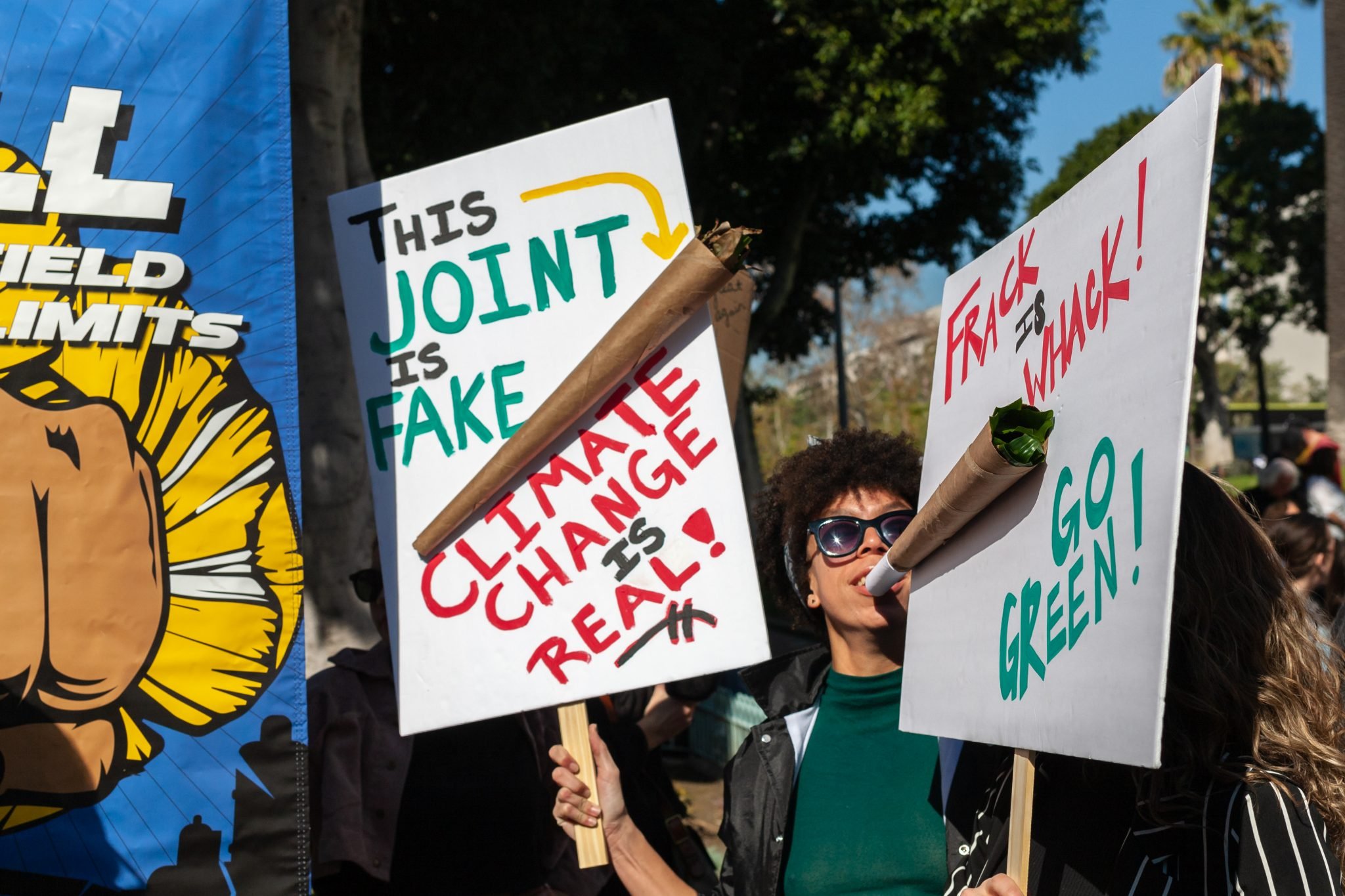
Image © Brian F. O’Neill
Reading the Biden administration’s “plan to build modern, sustainable infrastructure and an equitable clean energy future,” one is easily impressed. Biden’s “Build Back Better” plan is an ambitious legislative package that contains provisions for an array of goals, ranging from COVID-19 vaccine distribution to tax credits for American workers. The “American Jobs Plan,” phase two of Build Back Better, endorses many of the ideas put forward by Representative Alexandria Ocasio-Cortez (D-N.Y.) and Senator Ed Markey (D-Mass.) in their “Green New Deal” agenda. Both the campaign and White House websites seem to embrace the idea that a strong federal government should serve as a mechanism to protect, serve, and provide for those living in the United States. The plan, of course, strives to curb the effects of climate change. And importantly, the Administration aims to improve the country’s aging transit infrastructure. This includes updating public transportation options, using “clean energy,” creating millions of jobs and training opportunities in the process. Strikingly, the administration acknowledges the socially unjust public health consequences of polluting practices and climate change – something social scientists have been stressing for decades, which has been at the heart of the recent wave of Green New Deal proposals.
As sociologists who consider how environmental, economic, and public health concern about hydraulic fracturing (better known as fracking) affects public opinion, we found it encouraging that the Biden Administration’s plan acknowledges the danger of abandoned but unplugged oil and natural gas wells, which can leak toxic chemicals into local water supplies, among other social and health consequences. And yet, there is no specific mention of hydraulic fracturing or unconventional natural gas or oil extraction in the Biden Administration’s plan…
Read more at The Society Pages: https://thesocietypages.org/specials/fracking-public-health-and-bidens-green-new-deal/
Matthew Jerome Schneider describes the barriers he faced as a first-generation graduate student and shares some lessons for other students as well as faculty members.
By Matthew Jerome Schneider
In recent years, we have seen a surge of interest in first-generation college students and graduates, both in terms of research and in online social media groups. Many of these conversations have focused on how the “rules” of the university serve as barriers to success for undergraduate students. But as Bailey Smolarek has pointed out, more attention must be dedicated to understanding how being first gen affects one’s life and opportunities in graduate programs.
A first-generation college graduate myself, I’ve recently found myself thinking a lot about these issues, because I now teach at the University of North Carolina at Pembroke, a university with a significant number of first-gen college students. What barriers did I face, and how did I manage to overcome them?
In this piece, I’ll reflect on some of the problems I encountered, how graduate school can serve as a site of inequality and how I ultimately succeeded as a grad student. While this is a personal reflection and may not be generalizable to everyone, I hope I can offer a few lessons for graduate students — first gen and otherwise — and for faculty who are training the next generation of scholars.
Read more at Inside Higher Ed: https://www.insidehighered.com/advice/2021/06/01/first-generation-student-describes-barriers-he-had-overcome-grad-school-opinion
A Public Health Frame for Fracking? Predicting Public Support for Hydraulic Fracturing
By Brian F. O’Neill and Matthew Jerome Schneider
The American public is split on support for hydraulic fracturing (“fracking”). This study seeks to better understand fracking attitudes by predicting support via economic, environmental, and public health concern. We find support for fracking is intertwined with political partisanship. We show those identifying as “other” political party are significantly more likely to claim “don’t know” in response to questions of fracking support. However, fracking attitudes are not solely the product of political ideology, but also of perceived effects on the environment, the economy, and especially public health.
Read more in The Sociological Quarterly: https://www.tandfonline.com/doi/full/10.1080/00380253.2020.1773350
Exotic Place, White Space: Racialized Volunteer Spaces in Honduras
By Matthew Jerome Schneider
In every year between 2004 and 2012, more than 800,000 Americans reported volunteering internationally (Lough 2013). These volunteers are overwhelmingly white (McBride and Lough 2008) and entering a largely nonwhite and developing world. This study starts by questioning how racial status informs volunteer/volunteer tourist interactions, both with locals and with other volunteers, in a global context. In-depth interviews with 23 missionaries, teachers, and volunteers from the United States and Canada reveal that (1) international volunteering is largely motivated by romantic and exotic understandings of the Global South and (2) in spite of a stated interest in cultural immersion, participants’ notions of their whiteness guided their perceptions of Hondurans and their actions as they sought out and retreated to white spaces protected from Honduran influence. These findings further the work of those who have argued first world travelers have homogenized spaces on reserve, by demonstrating that whiteness can be the basis for the construction and maintenance of protected spaces in predominantly nonwhite countries.
Read more in Sociological Forum: https://doi.org/10.1111/socf.12439
 Matthew Jerome Schneider